
Few corners of the Caribbean coast feel as unhurried as the western rim of Chetumal Bay. Drive north past Orange Walk’s sugarcane fields on the Philip Goldson Highway, and the pace changes before you reach Corozal Town. High-rise condo towers do not exist here. Neither do traffic jams of tourist golf carts. Instead, retirees, seasonal snowbirds, and remote families settle into concrete bayfront homes or quiet lanes in Consejo Shores because the numbers work differently up north.
Not many newcomers expect a border town nine miles south of Mexico to anchor Belize’s largest mainland retiree hub. Geography explains why. You get a drier microclimate, English administration, and quick road access across the Río Hondo to Chetumal’s private clinics and bulk stores. Still, you trade away clear reef swimming, fast parcel shipping, and urban convenience. Knowing where those compromises pinch keeps expectations grounded.
Northern Belize Long-Stay Baseline
- QRP Minimum Income:
$2,000.00 USD(~€1,840.00) monthly or$24,000.00 USD(~€22,080.00) annually from external foreign-currency sources, open to applicants aged 40 and older. - QRP Presence & Work Rule: Minimum 30 consecutive days per year in Belize; local gainful employment in Belize is prohibited.
- Tourist Extension Alternative:
BZ$200.00($100.00 USD/~€92.00) per 30-day renewal applied in person at Belize Immigration. - Climate Advantage: Corozal averages roughly 55 inches of rain annually compared to 150+ inches in southern Toledo District.
- Cross-Border Lifelines: Chetumal hospitals and Sam’s Club sit 20 to 30 minutes north across the Santa Elena border (budget
BZ$40.00/$20.00 USD/~€18.40Belize departure fee for multi-day stays).
Why Retirees and Snowbirds Pick Corozal and Consejo Shores
Check a Belize rainfall map and Corozal’s appeal shows up fast. Southern Toledo absorbs over 150 inches of annual rain. Corozal District sits in a flatter rain shadow averaging roughly 55 inches a year. Steady dry-season breezes blow off Chetumal Bay from December through May, keeping porch evenings comfortable without constant air conditioning.
Land and housing prices drive the rest of the move. Waterfront lots and single-family homes along Corozal Bay, Consejo Shores (seven to eight miles northeast of town), and newer across-the-bay tracts like Cerros Sands cost noticeably less than comparable acreage on Ambergris Caye. Does a $2,500.00 to $3,000.00 USD (~€2,300.00 to ~€2,760.00) monthly budget cover two people here? Up north, it usually does, provided you own your home or secure a long-term local lease rather than paying short-stay tourist rates.
Chetumal, Quintana Roo supplies what small-town Belize lacks. Within 20 to 30 minutes of clearing the Santa Elena Mexico border, residents shop at Sam’s Club, Chedraui, and Walmart for appliances, hardware, and specialty groceries. Watch two border details on every trip. Quintana Roo runs on Eastern Standard Time (one hour ahead of Belize’s year-round Central Standard Time), and Belize Immigration collects a BZ$40.00 ($20.00 USD / ~€18.40) exit fee on multi-day stays when leaving by road.
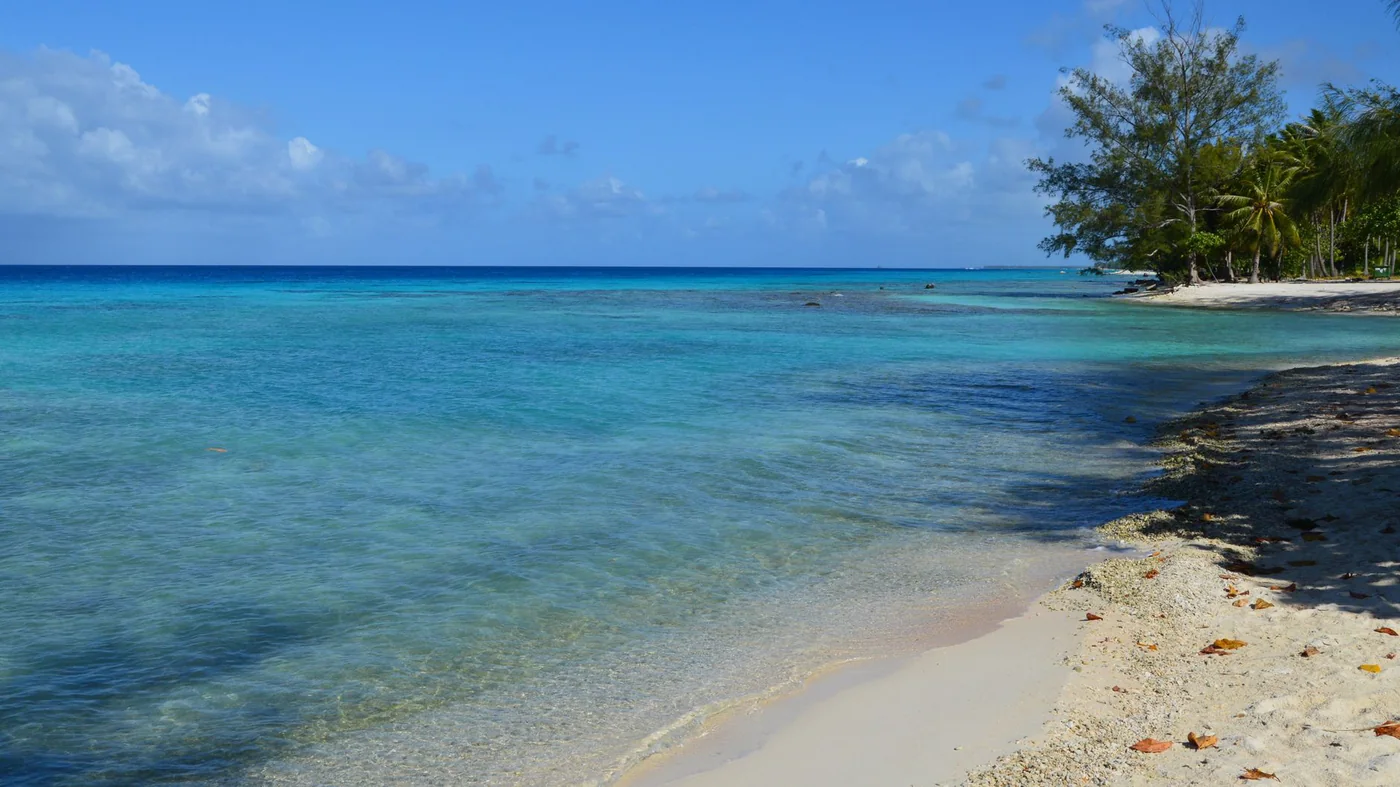
Bayfront living also carries water trade-offs that surprise reef fans. Freshwater from the New River and Río Hondo flows straight into Chetumal Bay, leaving Corozal’s shoreline brackish, shallow, and often tea-colored rather than bright turquoise. Kayaking and sunrise seawall walks work great here. Snorkeling does not. Humidity also climbs sharply between June and October, bringing afternoon squalls, mangrove mosquitoes, and salt-air rust on exposed metal.
Belize Qualified Retirement Program (QRP) vs. Visitor Extensions
Most foreign newcomers use one of two legal tracks before considering full permanent residency (which requires a full year of continuous stay). Run by the Belize Tourism Board (BTB) (belizetourismboard.org, qrp@belizetourismboard.org), the Qualified Retirement Program (QRP) remains the primary long-stay option.
Current BTB rules set the minimum age at 40 years or older, down from the older 45-year cutoff. Spouses and dependent children under 18 (or up to 23 if enrolled full-time in university) can join the same file, and every adult must pass a Ministry of National Security background check. Income rules are rigid. You must verify external income of at least $2,000.00 USD per month ($24,000.00 USD per year), or roughly ~€1,840.00 monthly and ~€22,080.00 annually. Acceptable funds come from pensions, Social Security, annuities, or retirement investments paid in USD, GBP, EUR, or CAD, backed by a written commitment to deposit that income in a Belizean bank or credit union.
In return, QRP members pay zero Belizean tax on foreign-sourced income. They can also import household goods plus a personal vehicle, boat, or light aircraft duty-free during their first year. Two obligations balance those perks: you must stay in Belize at least 30 consecutive days each calendar year, and you cannot take local employment inside Belize.
Winter snowbirds who stay three to five months often skip QRP and rely on Visitor’s Permit Extensions via the Department of Immigration (immigration.gov.bz). Visitors from the US, Canada, UK, and EU enter on a standard 30-day stamp. Before it expires, you visit a district Immigration office in person and pay BZ$200.00 ($100.00 USD / ~€92.00) for each additional 30 days. Extensions require zero bank undertakings, yet officers issue them at their discretion, work remains barred, and zero import exemptions apply.
Typical Belizean Houses: Concrete vs. Timber, Cisterns & Off-Grid Power
Drive from Consejo Shores past Shipyard and Progresso Lagoon, and you will see two very different building philosophies competing in Northern Belize.
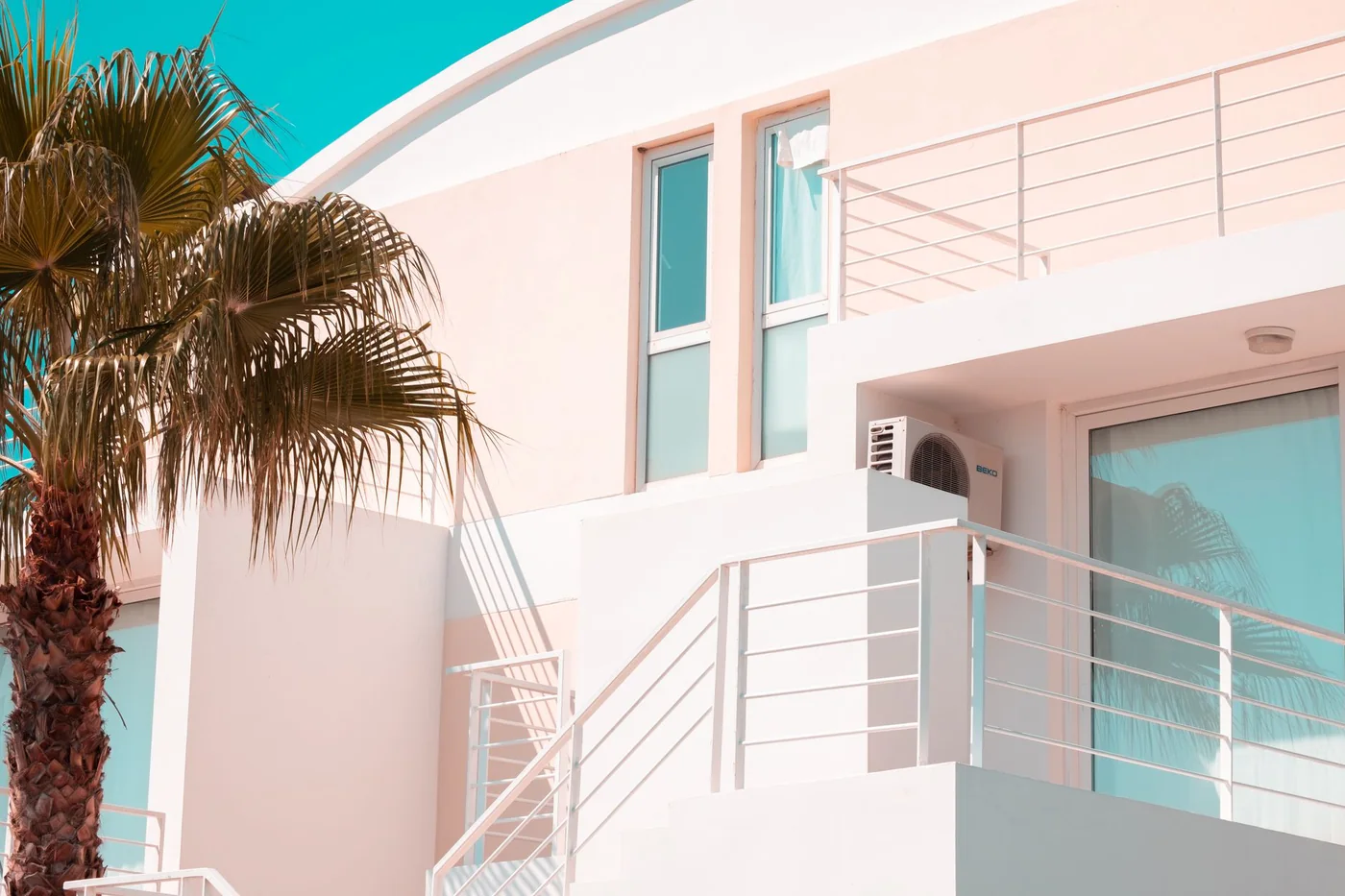
Most custom homes in Consejo Shores, Copper Bank, and Corozal Town rely on poured concrete foundations, steel rebar, concrete block walls, and concrete roofs. Builders stick with masonry for practical reasons. Corozal sits in the Atlantic storm belt (Hurricane Janet leveled wooden buildings across town in September 1955), so reinforced concrete provides critical wind resistance. Concrete also blocks termites and resists humid bay rot. Inside Consejo Shores, protective neighborhood covenants further reinforce concrete construction standards.
Elevated hardwood houses and Belizean Mennonite cabins offer the main alternative. Built in Mennonite settlements like Shipyard and Blue Creek from local tropical woods (cabbage bark, santa maria, and mahogany accents), modular timber homes are hauled onto concrete piers for less upfront cash than poured concrete. Raising the floor catches cool breezes underneath and simplifies under-floor plumbing repairs. The catch? Wood demands regular exterior sealing against sun and driving rain, sealed eaves against bats and insects, and proper hurricane tie-downs.
Regardless of wall material, utility systems deserve closer inspection than kitchen finishes:
- Rainwater Cisterns & Wells: Subdivisions like Consejo Shores and Cerros Sands lack uniform pressurized municipal water. Most homes capture roof rainwater into large concrete cisterns filtered with sediment and UV stages for showers and laundry, while residents drink sealed 5-gallon purified jugs (Crystal or Happy Cow refills). Shallow yard wells often turn mineral-heavy or brackish.
- Grid Power vs. Solar Backup: Belize Electricity Limited (BEL) provides 110V / 60Hz North American Type A/B power in Corozal Town and Consejo Shores. Still, voltage fluctuations and storm outages happen. Many owners add surge protectors and solar-battery hybrid systems (while off-grid pockets near Cerros Sands and Sarteneja depend entirely on solar arrays, propane appliances, and backup generators). Review Belize travel essentials for power, Digi LTE, and water safety baselines.
Schools in Corozal and Commutes from Consejo Shores
Expat families moving with children often worry about rural schooling gaps. Under Belize’s Ministry of Education, Culture, Science and Technology (MoECST) (moecst.gov.bz), English is the official language of instruction across all public and church-state schools. Kids do not face a foreign-language classroom barrier on day one.
Belize’s education ladder follows a British-style structure: two years of pre-primary, eight years of primary school (Infant I and II plus Standards 1 to 6, compulsory through age 16), and four years of secondary school (Forms 1 to 4) leading to regional CXC/CSEC exams. Afterward, local students attend sixth-form junior colleges such as Corozal Community College or Centro Escolar Mexico Junior College before university.
Families based in Consejo Shores face a 15 to 20 minute morning commute into Corozal Town, where government, church-managed government-aided, and private schools operate. Some parents enroll younger kids locally for fast social integration and modest fees. Others, especially families eyeing North American or European university admissions later on, pair local clubs with accredited online academies or homeschooling supported by Digi fiber or LTE connections.
Healthcare, Daily Costs & The “Escape Reality Check”
Smart long-stay residents plan healthcare across two countries. Inside town, Corozal Community Hospital (in Santa Rita Layout) handles 24-hour emergency triage, primary outpatient care, and maternity services, backed by EU and PAHO/WHO upgrades into a hurricane-resilient “SMART” health facility. Complex surgeries, pediatrics, and diagnostics refer south to Northern Regional Hospital in Orange Walk Town or onward to Belize City.
For specialist consults, dental work, and private imaging, many Corozal expats drive 25 minutes north into Chetumal and pay transparent private clinic rates out of pocket. Keep local emergency calling rules straight: dialing 911 (Police/Medical) or 90 (Fire/Ambulance) inside Belize requires a working Belizean Digi or Smart phone line rather than a foreign Wi-Fi app.
Daily living costs reward people who cook locally. Produce at Corozal’s market, corn tortillas, and regional buses (BZ$9.00-BZ$11.00 / $4.50-$5.50 USD / ~€4.15-€5.05 to Belize City) cost little. Fuel does not. Gasoline and diesel regularly run BZ$10.00 to BZ$15.00+ per US gallon ($5.00-$7.50+ USD / ~€4.60-€6.90+), import duties raise prices on shipped groceries and auto parts, and Belize’s 12.5% GST touches most retail sales. Check getting around and driving in Belize for BAHA border spraying (BZ$10.00 / $5.00 USD / ~€4.60) and Temporary Import Permit details if driving a foreign car south.
The Escape Reality Check: Why Some Newcomers Pack Up
- Peninsula Isolation: Consejo Shores and Cerros Sands are quiet residential zones, not walkable town centers; without hobbies or social circles, quiet evenings turn isolating quickly.
- Import Sticker Shock: Outside year-one QRP exemptions, bringing in appliances, furniture, or specialty vehicle parts triggers heavy customs duties and shipping waits.
- Slow Bureaucracy: Land-title transfers, utility hookups, and monthly Immigration lines run at rural district speed rather than North American corporate pace.
- Seasonal Weather & Bugs: Dry-season limestone dust shifts to humid rainy months, mangrove sandflies (no-see-ums), and hurricane readiness between June and November (see our Belize weather and hurricane guide).
Never buy Belizean real estate off a brief vacation impression. Rent a furnished house for at least one dry month and one rainy month first. Test the border commute, verify indoor cell signal, and ask year-round neighbors what broke during the last storm. When you are ready to scout neighborhoods, start on our Northern Belize travel portal and compare where to stay in Northern Belize before locking in any long-term lease.